Cruciate ligament disease or injury
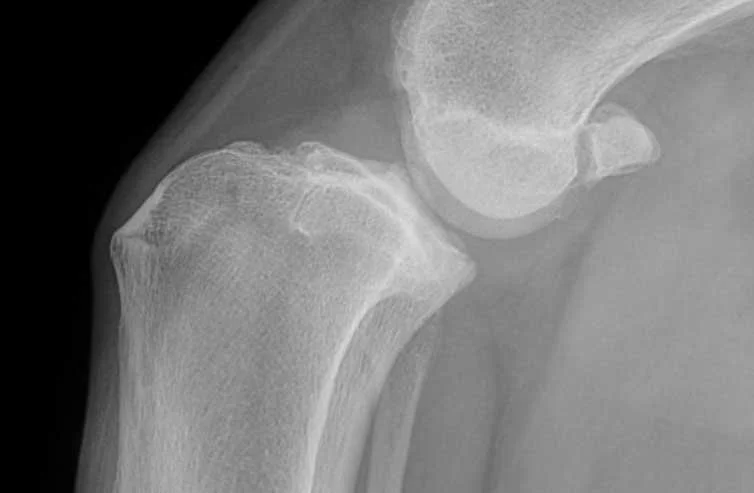
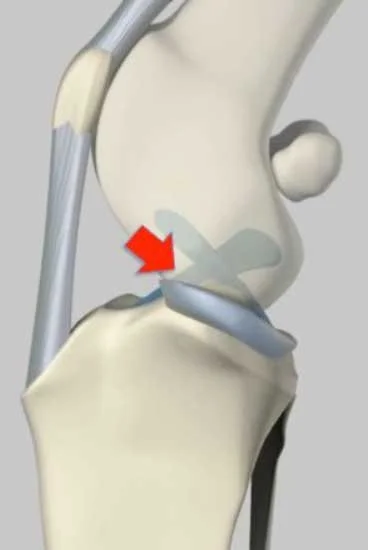
Cruciate ligament disease refers to damage or rupture of the cranial cruciate ligament within the knee (stifle) joint. This ligament plays a key role in stabilising the joint during movement. In the Cane Corso, cruciate injury may occur as a sudden traumatic event or develop gradually due to ligament degeneration. Left unmanaged, it can lead to pain, instability, and progressive arthritis.

-
Sudden or intermittent hindlimb lameness
Difficulty rising, sitting, or climbing stairs
Reduced weight-bearing on the affected leg
Stiffness after rest
Swelling around the knee joint
Muscle loss in the affected limb over time
Reduced willingness to exercise or play
In some cases, dogs may compensate initially, masking the severity of the injury.
-
Treatment depends on the dog’s size, activity level, severity of the injury, and overall health.
Conservative management
Strict exercise restriction
Weight management
Pain relief and anti-inflammatory medication as prescribed
Physiotherapy and rehabilitation support
Most suitable for mild cases or dogs with low activity demands
Surgical intervention
Procedures designed to stabilise the knee joint and restore function
Commonly recommended for large, active dogs
Aims to reduce pain and slow the progression of arthritis
Rehabilitation and recovery
Controlled, progressive exercise following treatment
Physiotherapy to rebuild muscle strength and joint stability
Long-term management to protect joint health
-
While cruciate ligament injury cannot always be prevented, the risk can be reduced through responsible management.
Weight control
Maintaining a lean body condition reduces strain on the knee joints
Muscle conditioning
Regular, controlled exercise helps support joint stability
Appropriate exercise
Avoid sudden, repetitive high-impact movements, particularly on slippery surfaces
Early intervention
Prompt veterinary assessment of hindlimb lameness can prevent further joint damage
Breeding considerations
Avoid breeding from dogs with known cruciate disease or poor structural soundness