Colour Dilution Alopecia (CDA)
(commonly associated with blue × blue breeding)
Colour Dilution Alopecia (CDA) is a genetic skin and coat disorder linked to the dilute colour gene that produces blue/grey coats. In Cane Corsos, it is most commonly seen when blue is bred to blue, increasing the likelihood that puppies inherit two copies of the dilution gene.
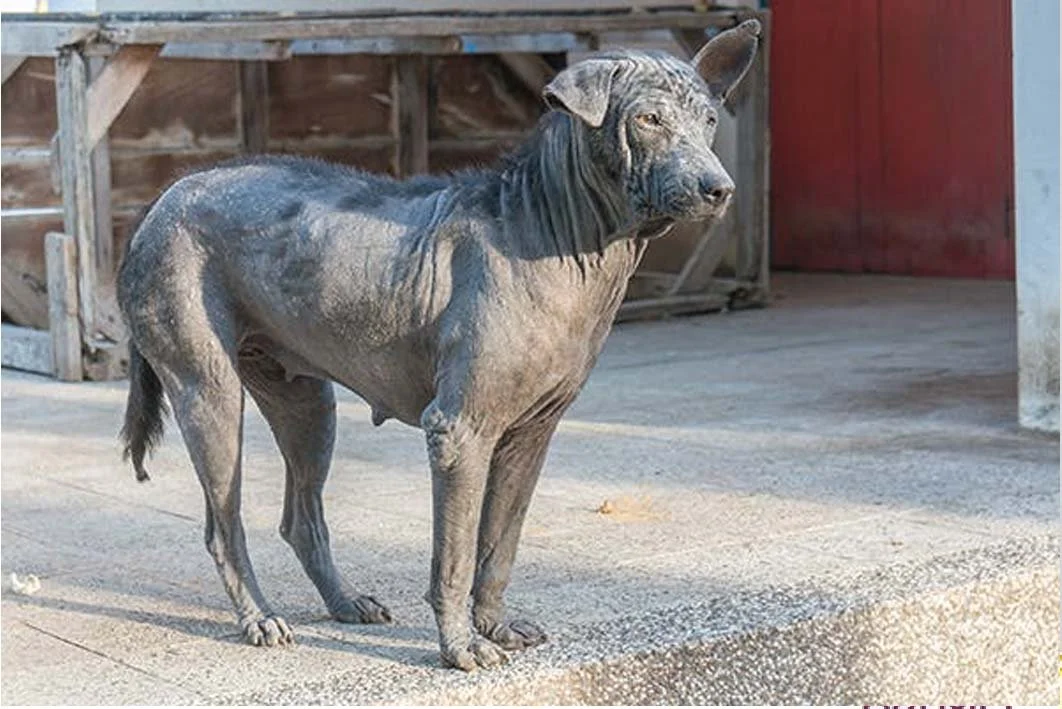
CDA causes structural defects in the hair shaft, leading to progressive hair loss and chronic skin disease.
Important distinction: Not all blue Cane Corsos develop CDA, but the risk rises significantly with blue-to-blue pairings.
-
Symptoms
Hair thinning or hair loss, usually starting between 6 months and 3 years
Patchy or symmetrical bald areas (neck, flanks, back, ears)
Dry, dull, brittle coat
Broken hairs or “moth-eaten” appearance
Recurrent bacterial or yeast skin infections
Itching, inflammation, or scaly skin (secondary issues)
Hair loss is often permanent, though skin comfort can be managed.
-
Treatment
There is no cure for CDA, only long-term management.
Management strategies
Medicated shampoos (antibacterial / antifungal as needed)
Regular moisturising and skin-barrier support
Prompt treatment of secondary infections
Omega-3 and omega-6 supplementation (supportive, not curative)
Avoid harsh grooming or frequent coat stripping
What doesn’t work
Coat supplements claiming “hair regrowth”
Changing food alone
Steroids (often worsen skin quality long-term)
-
Prevention
Do not breed blue to blue where parents and grandparents are also dilute
This is the single most important preventive measure.Avoid breeding any dog showing signs of CDA
Ethical breeders prioritise health over colour
Educate buyers that blue is a cosmetic trait with medical risk
Prefer breeding strategies that preserve pigment integrity
Breed-specific reality for Cane Corsos
Demand for blue coats has outpaced responsible breeding
CDA is often downplayed or misdiagnosed as “allergies”
Rescue and rehoming populations show higher CDA rates
Skin disease from CDA can be lifelong and costly