
The Cane Corso Today
A traditional guardian breed in a modern world.
A changing corso landscape
*
A changing corso landscape *

The Cane Corso today exists in a very different environment from the one that shaped it. Once a rural working guardian, the breed is now most commonly found in domestic settings, often far removed from the agricultural life that defined its development.
While circumstances have changed, the Cane Corso itself has not. Its instincts, structure, and temperament remain those of a purposeful guardian breed. Understanding how these traits translate into modern ownership is essential to ensuring the breed’s continued stability, welfare, and future.
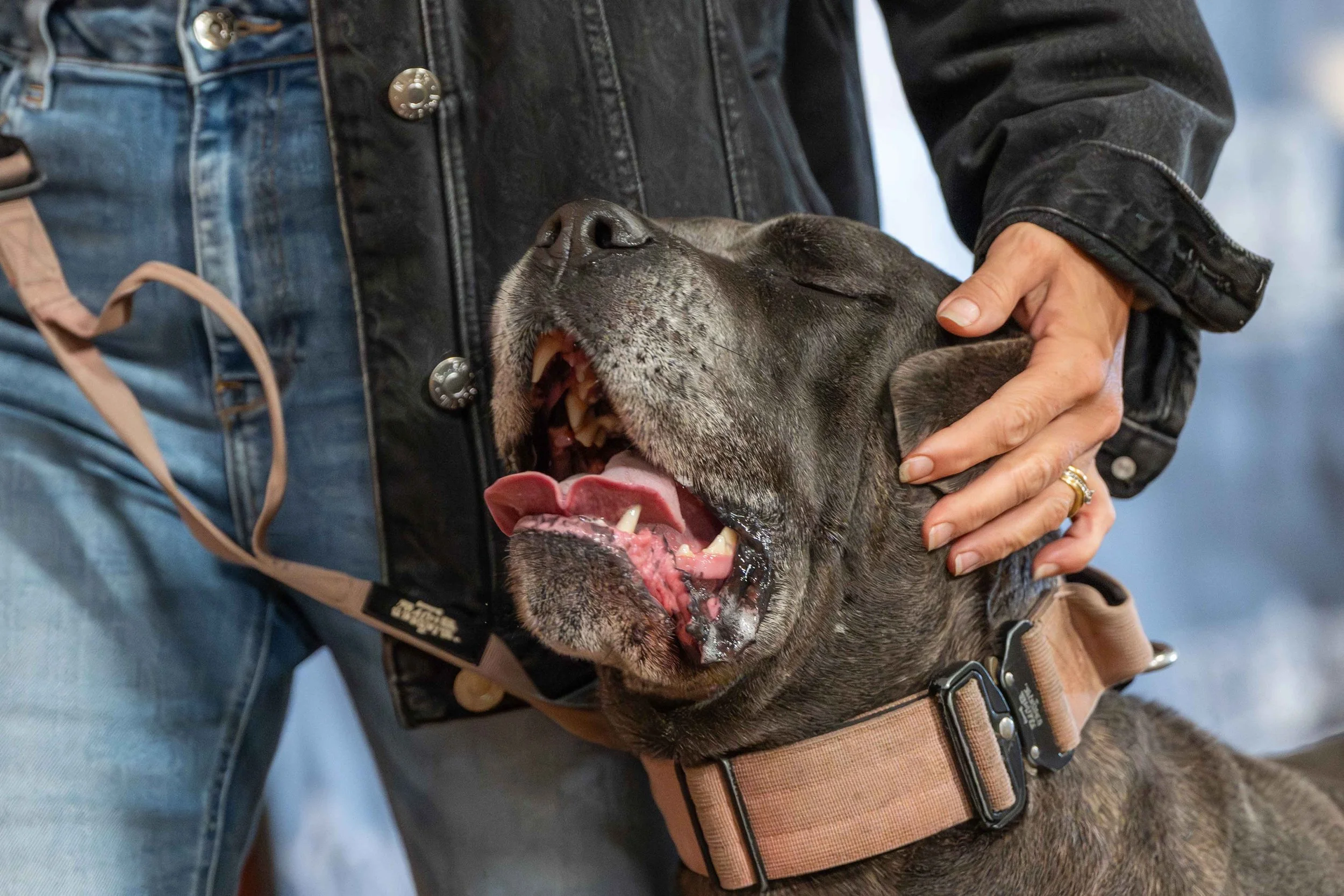
From Working Role to Companion Guardian
In contemporary society, the Cane Corso is typically kept as a companion with a guarding role rather than as a full-time working dog. This shift places greater responsibility on owners to provide structure, training, and appropriate outlets for the breed’s natural behaviours.
A well-managed Cane Corso can be calm, discerning, and deeply loyal within the home. However, this balance does not occur by chance. It is the result of correct breeding, thoughtful socialisation, and consistent leadership throughout the dog’s life.
Without these foundations, the breed’s protective instincts can become problematic rather than purposeful.
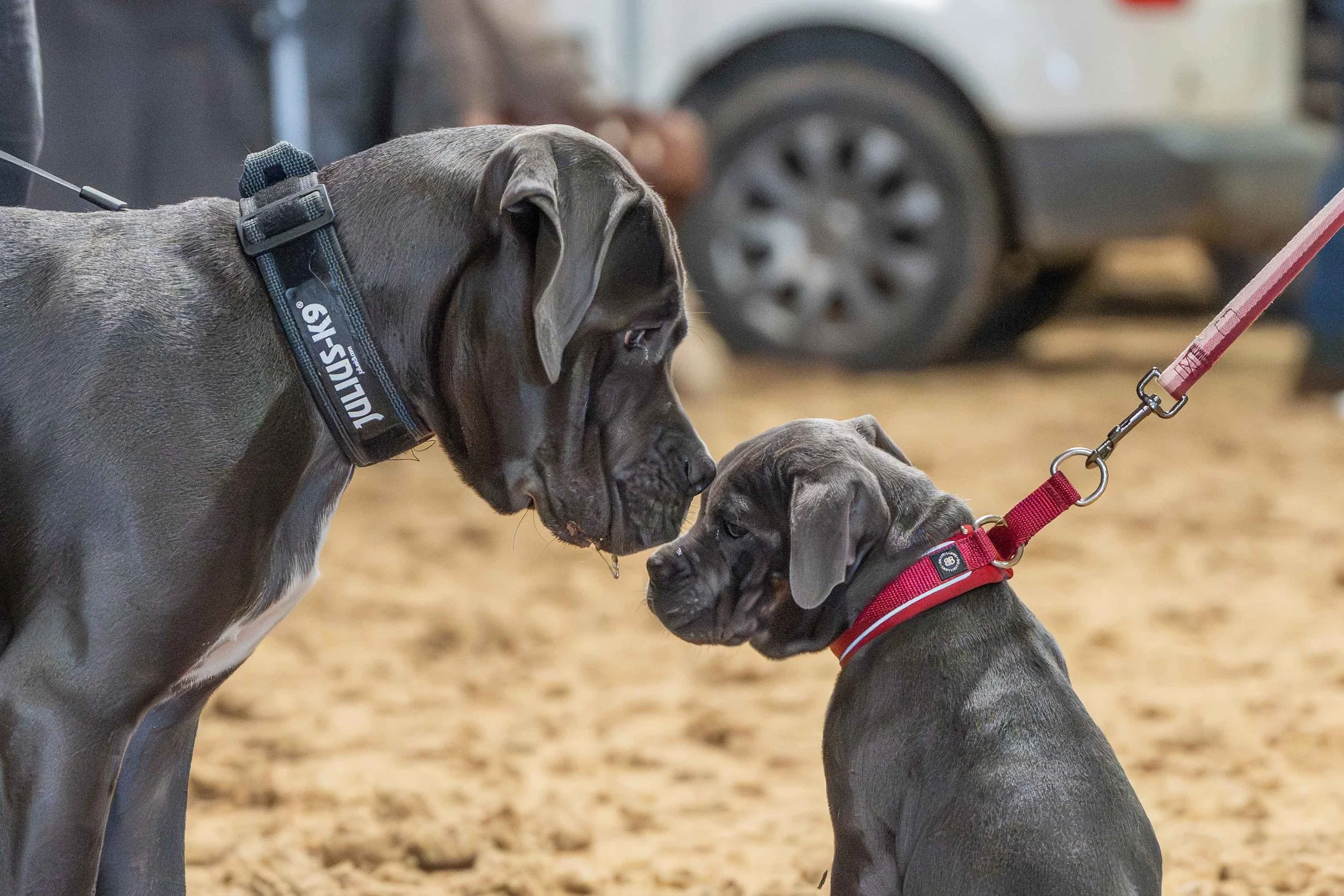
The Impact of Popularity
Increased visibility and popularity have brought both opportunity and risk to the Cane Corso. While greater interest has expanded awareness of the breed, it has also led to misinformation, trend-driven breeding, and unrealistic expectations.
When bred or owned without sufficient understanding, the consequences are predictable. Temperament instability, health concerns, and placement failures are not breed traits, but human failures.
Protecting the Cane Corso today requires restraint, education, and a willingness to prioritise long-term welfare over short-term demand.
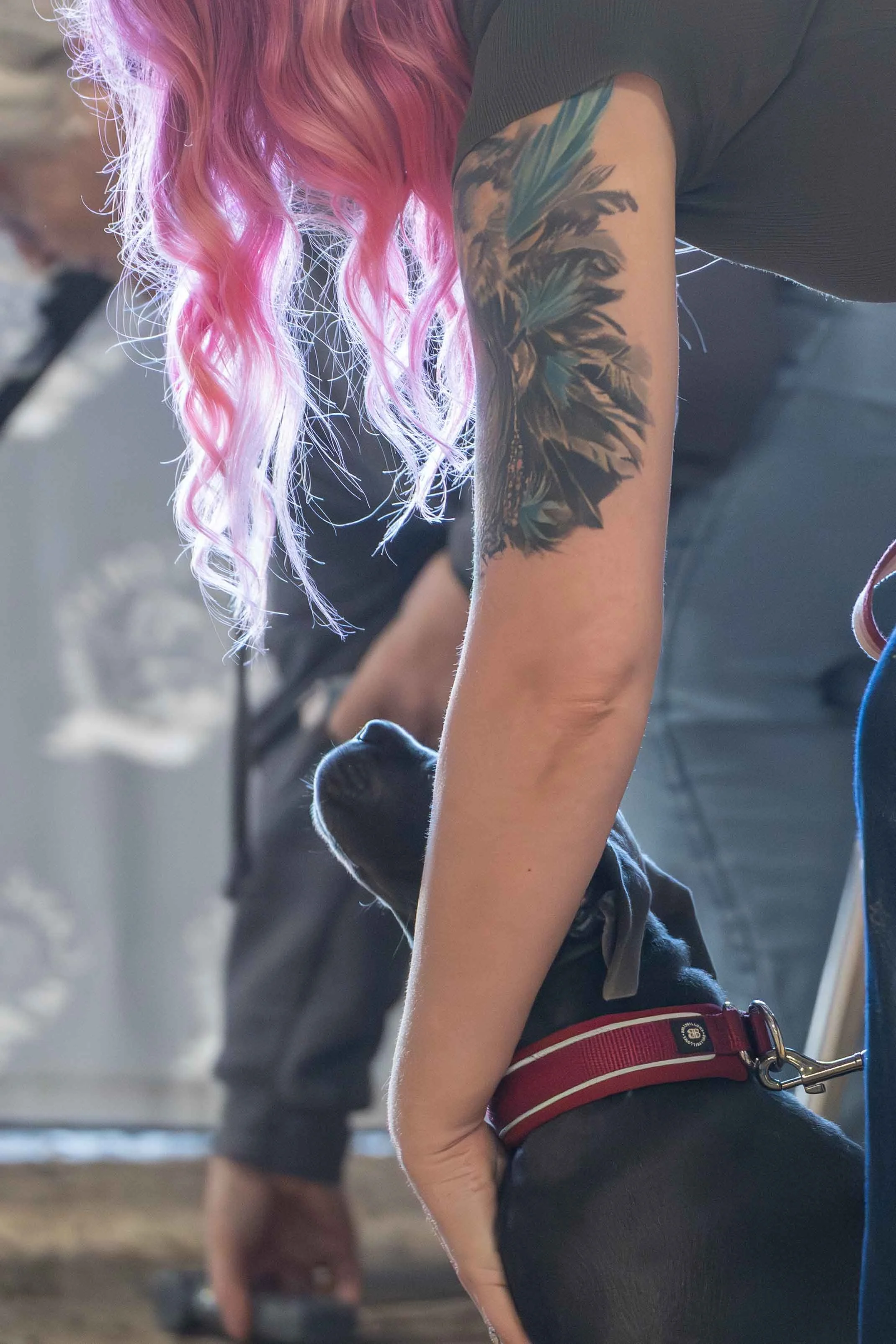
The Importance of Education and Structure
Modern Cane Corso ownership demands active involvement. This is not a breed that thrives on minimal input or inconsistent handling. Early training, continued education, and appropriate boundaries are essential.
Owners must understand guardian behaviour, canine development, and the responsibilities that accompany physical power and presence. Socialisation should be purposeful, not indiscriminate, and training should focus on stability, neutrality, and control rather than constant stimulation.
Structure is not restrictive for this breed. It is essential.
Health, Welfare, and Responsible Breeding
The future of the Cane Corso depends heavily on health-focused, ethical breeding practices. Sound structure, stable temperament, and appropriate genetic testing are non-negotiable if the breed is to remain functional and reliable.
Equally important is responsible placement. Not every home is suitable for a Cane Corso, and acknowledging this protects both dogs and owners from preventable outcomes.
Modern guardianship of the breed requires honesty, transparency, and accountability at every level.

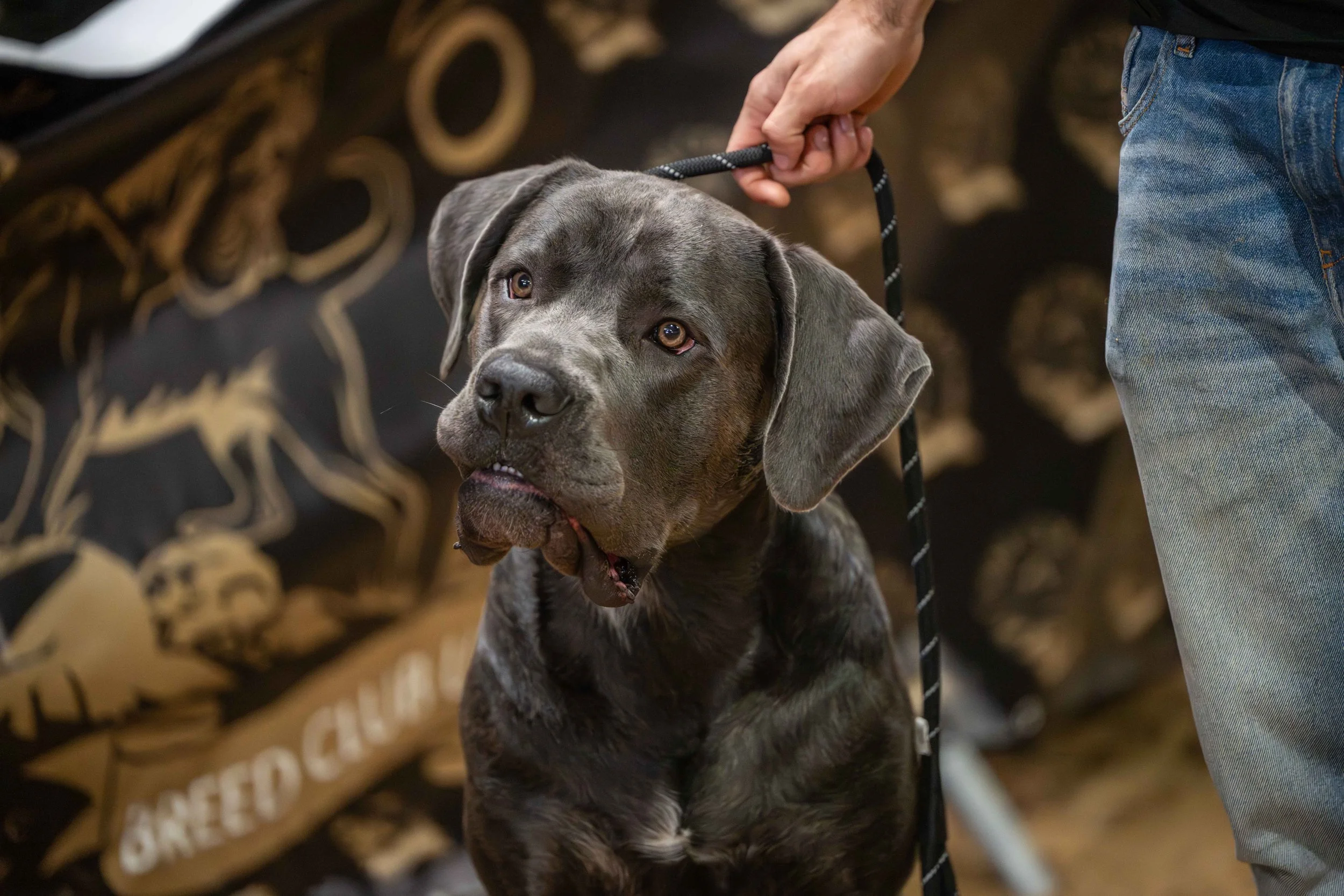
Preserving the Breed in the Present
The Cane Corso does not need reinvention. It needs protection from dilution, exaggeration, and misunderstanding.
By promoting education-led ownership, clear standards, and responsible breeding, it is possible to ensure that the Cane Corso remains what it has always been: a stable, capable guardian with presence, intelligence, and restraint.
Preservation in the modern world is not about nostalgia. It is about responsibility.