Dental–Skeletal–Retinal Anomaly (DSRA) in the Cane Corso
Dental–Skeletal–Retinal Anomaly (DSRA) is a rare, inherited developmental disorder that affects multiple body systems, specifically the teeth, skeletal structure, and eyes (retina). The condition is present from birth and is caused by a genetic mutation, not by environment, diet, injury, or management.
In the Cane Corso, DSRA is recognised as a breeding-related condition, not an acquired disease. Dogs are either genetically affected or they are not. While the severity of clinical signs can vary, DSRA can result in lifelong physical and visual impairment and should be regarded as a serious welfare concern.
What Does DSRA Affect?
DSRA impacts three primary systems. Not all affected dogs will show signs in all areas, and severity can range from mild to severe.
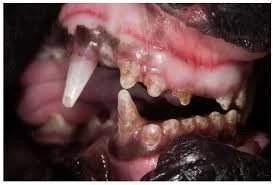
Very fragile teeth due to a serious gum inflammation
Dental Abnormalities
Dental changes are often among the earliest signs observed.
Common findings include:
Missing teeth or incomplete tooth development
Abnormally shaped teeth
Poor enamel quality
Increased susceptibility to early dental disease
Dental issues may require ongoing veterinary and dental management throughout the dog’s life.
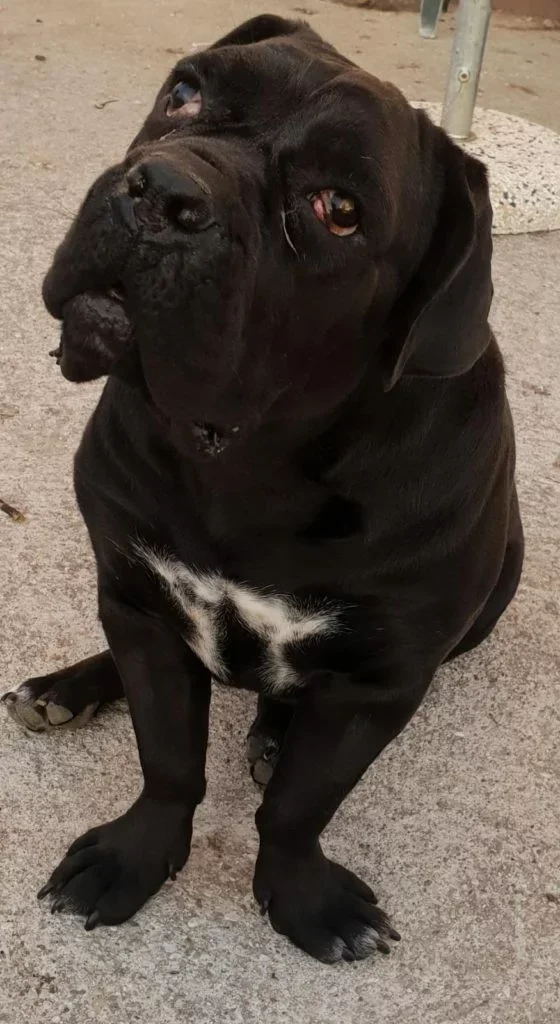
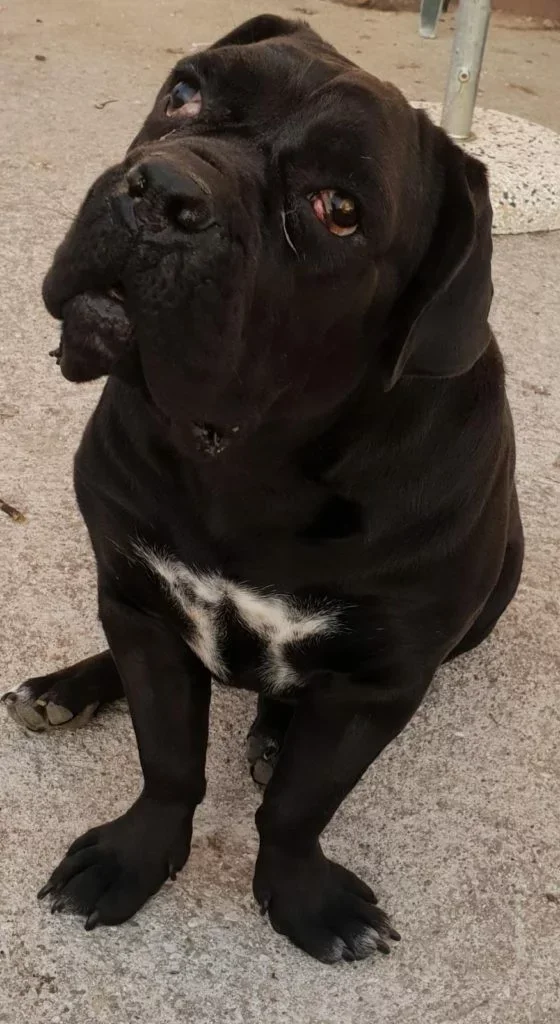
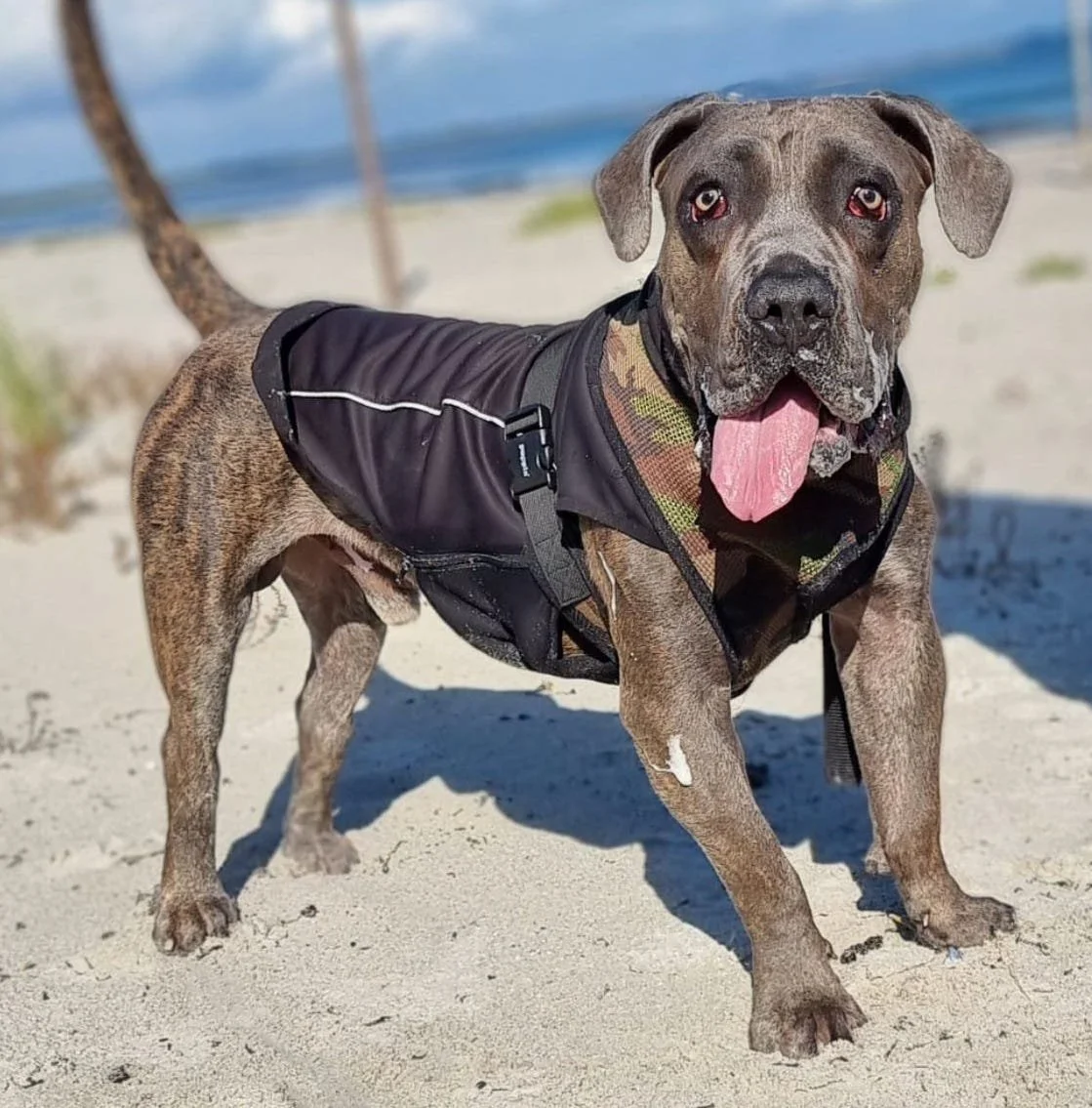
Limb deformities
Skeletal Abnormalities
Skeletal involvement can vary widely between individuals.
Possible signs include:
Abnormal bone growth or limb deformities
Altered or uneven gait
Stiffness or reduced range of motion
Reduced mobility in moderate to severe cases
Skeletal changes may become more apparent as the dog grows and matures.

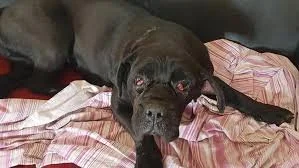
Sore Eyes
Retinal and Eye Abnormalities
Ocular involvement relates to abnormal development of the retina.
This may include:
Retinal malformations
Reduced visual acuity
Progressive visual impairment
Partial or complete blindness in more severe cases
Eye-related symptoms may not be immediately obvious in young puppies and can become more noticeable over time.
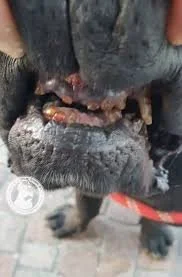
Progression of teeth and gums
Onset and Progression
DSRA is congenital, meaning dogs are born with the condition.
Clinical signs are often noticeable early in life, particularly dental and skeletal changes. Visual impairment may be subtle initially and progress as the dog matures.
Because DSRA affects development, symptoms do not resolve with age and should be expected to require lifelong management.
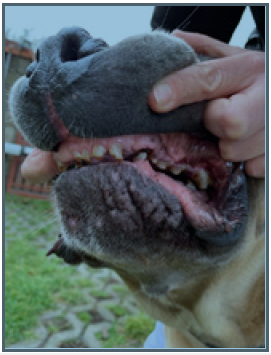
Diagnosis
Diagnosis is based on a combination of:
Clinical examination
Dental assessment
Orthopaedic evaluation
Ophthalmic examination
Genetic testing where available
Early identification is important to allow appropriate management planning and to prevent affected dogs from being bred.
Treatment and Management
There is no curative treatment for DSRA.
Management is supportive and focused on maintaining comfort, function, and quality of life.
Management strategies may include:
Regular dental care and monitoring
Orthopaedic support, physiotherapy, or pain management where required
Ongoing ophthalmic assessments to monitor vision changes
Environmental adaptations for dogs with visual impairment
Prognosis varies depending on the severity and combination of systems affected. Many dogs can live comfortable lives with appropriate support, but the condition should not be minimised.
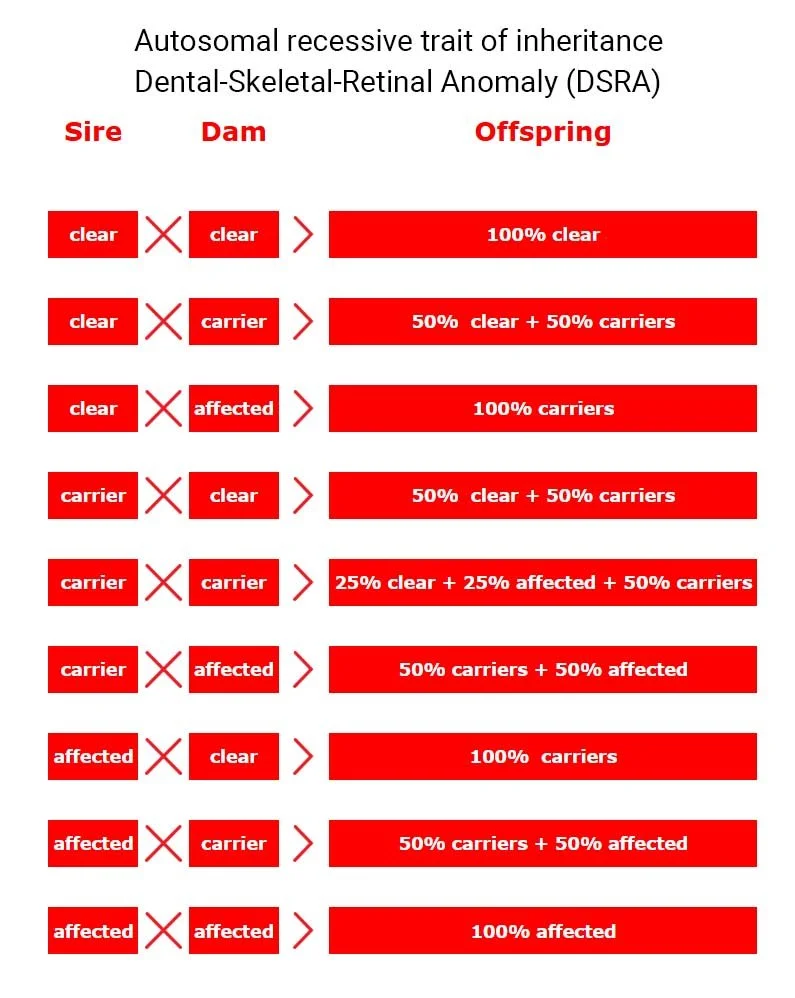
Prevention and Breeding Responsibility
DSRA is entirely genetic. Once a dog is born, the condition cannot be prevented or reversed.
Effective prevention relies on responsible breeding practices:
DNA testing of breeding dogs where the mutation is known
Never breeding affected dogs
Avoiding carrier × carrier matings
Full transparency and disclosure of health testing results to puppy buyers
Because DSRA is not influenced by management or environment, ethical breeding decisions are the only meaningful form of control.
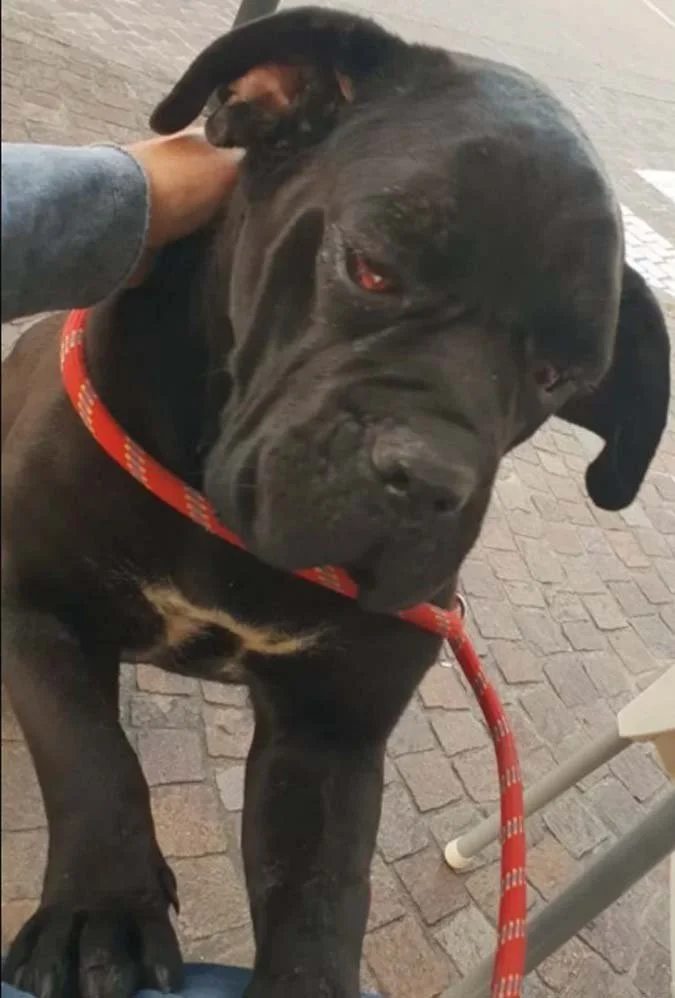
The story of Melinda - AFFECTED FROM A SERIOUS GENETIC DISEASE CALLED DSRA
Key Takeaway
Dental–Skeletal–Retinal Anomaly is a serious congenital condition, not a cosmetic issue and not a result of poor care.
The responsibility for preventing DSRA lies entirely with breeders through:
Genetic awareness
Appropriate testing
Honest disclosure
Ethical decision-making
Education and transparency protect not only individual dogs, but the long-term health and credibility of the Cane Corso breed.