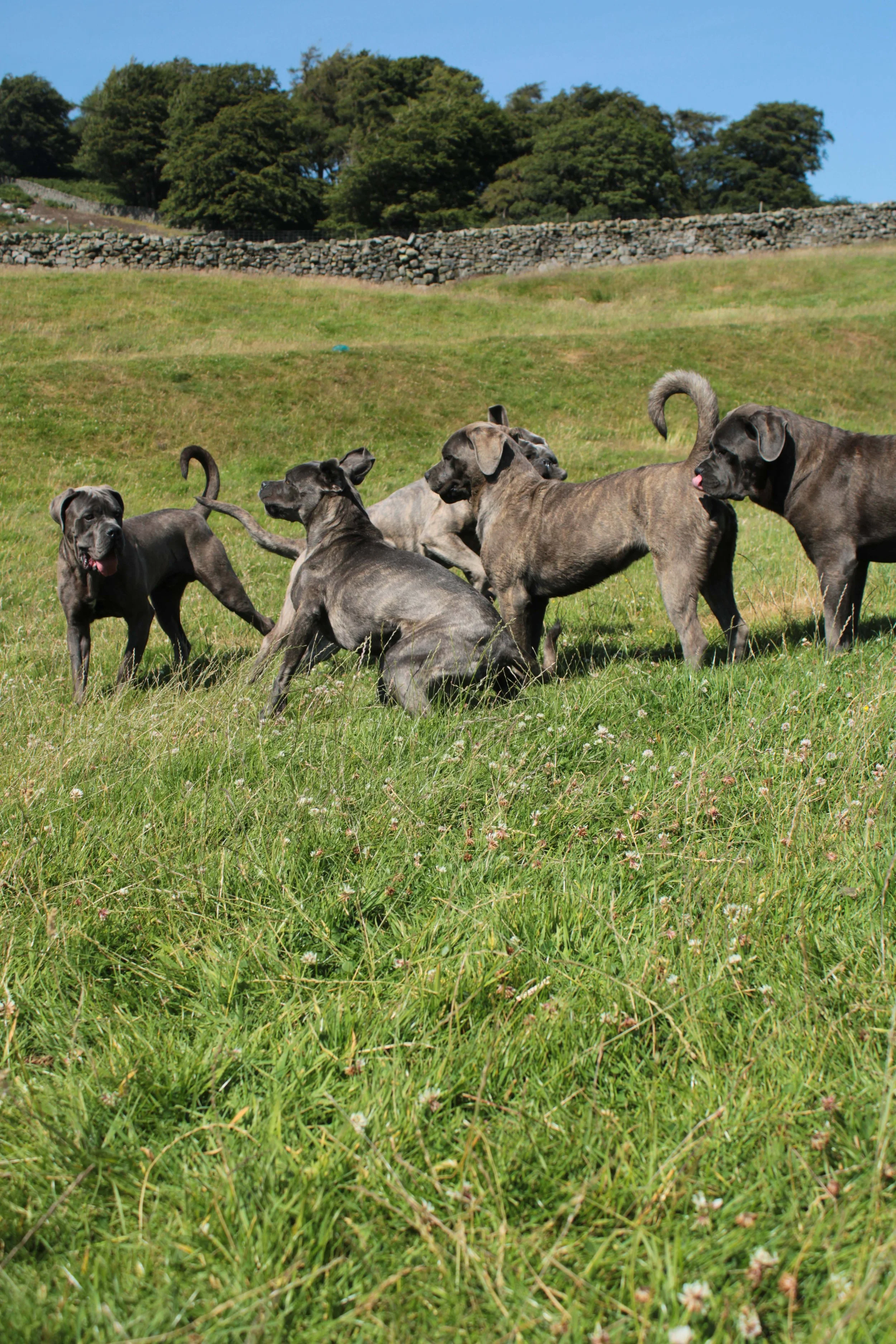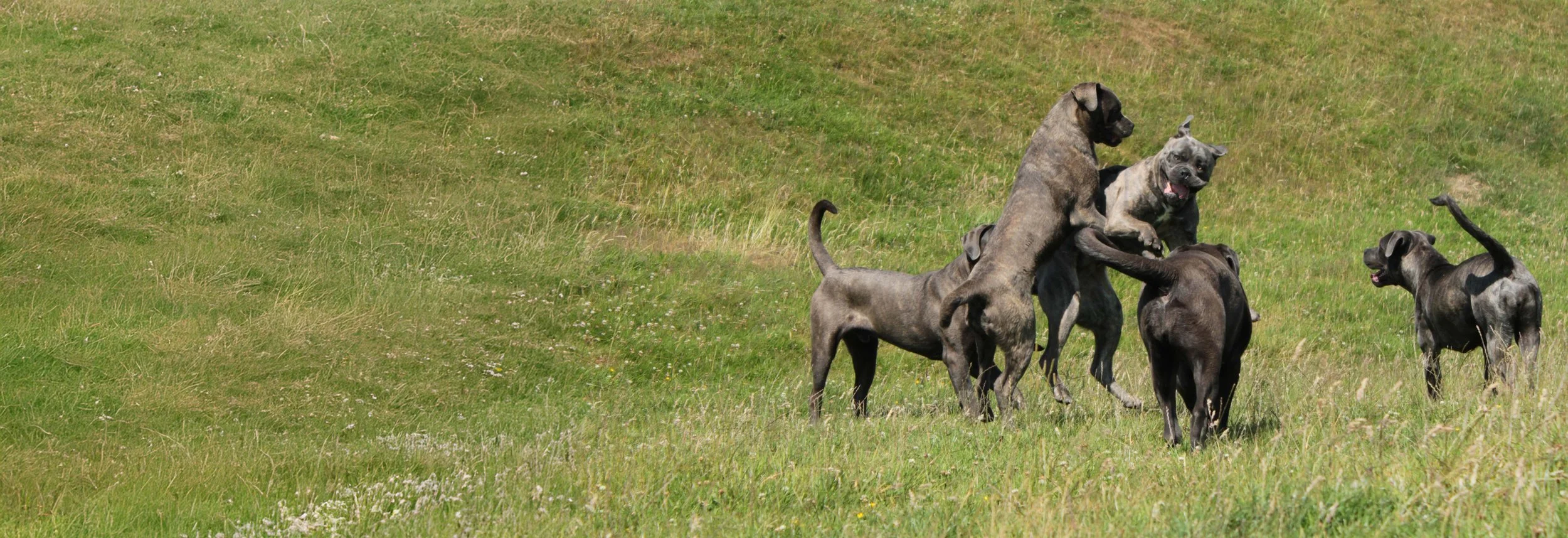
History of the Cane Corso
A working guardian shaped by necessity, not nostalgia.
From rural Italy to modern preservation, the Cane Corso’s development has always been driven by function, responsibility, and practical need.
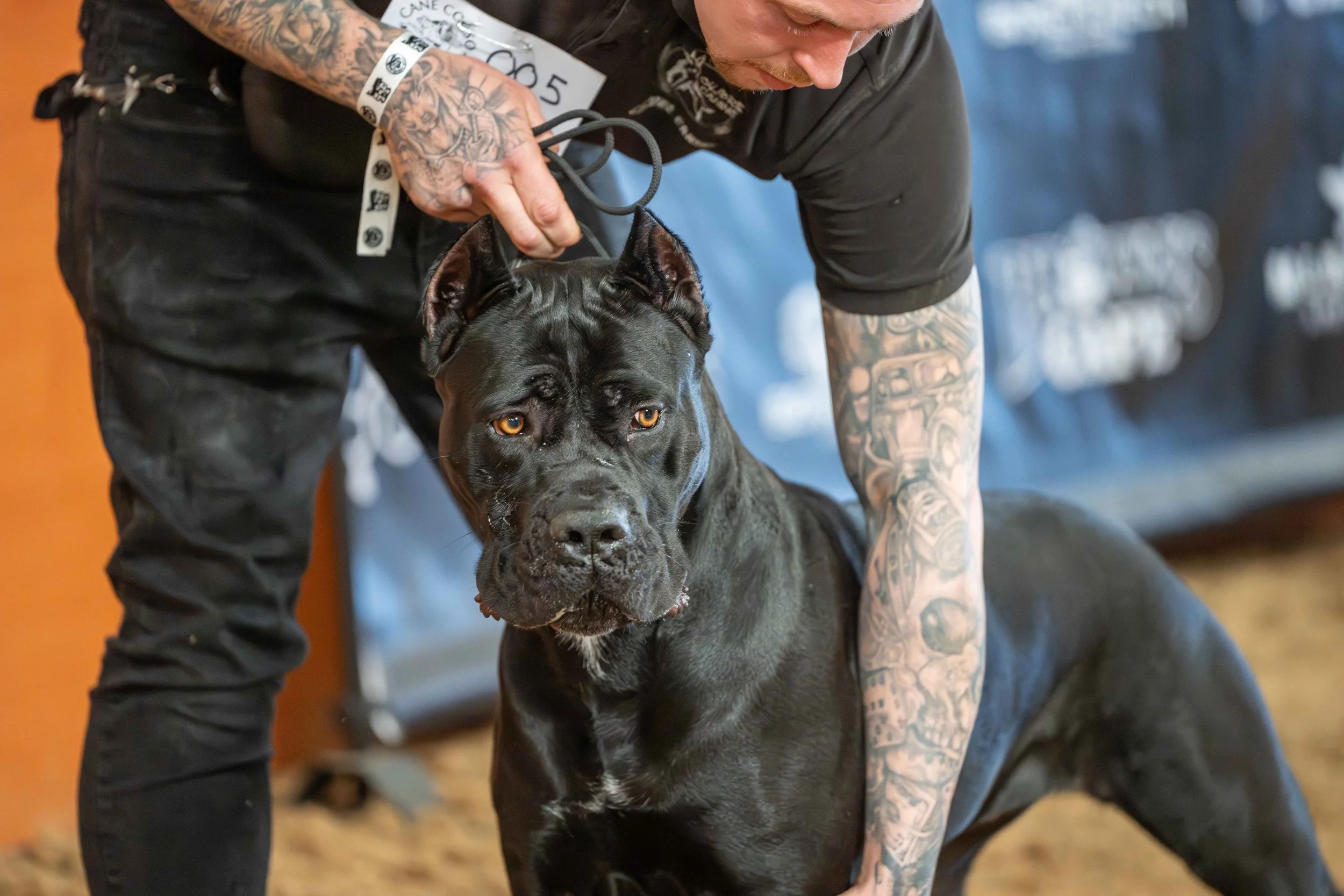
forged by necessity, not trend.
The Cane Corso originates from Italy, where it was developed as a versatile working guardian. Descended from ancient Molossian-type dogs, the breed was valued for its ability to protect land, livestock, and people while remaining stable and controllable within its working environment.
Unlike breeds developed for show or companionship alone, the Cane Corso’s form followed function. Strength, athleticism, and presence were essential, but so were discernment, nerve, and the ability to remain calm under pressure.
Following social and agricultural changes in the 20th century, the breed’s numbers declined significantly. Preservation efforts in Italy focused on retaining correct type, temperament, and working ability rather than exaggeration or cosmetic appeal.
Understanding this history is essential. The Cane Corso was never intended to be ornamental, nor indiscriminately social. Its role has always required balance, judgment, and purpose.

EARLY ORIGINS AND FUNCTION
The Cane Corso descends from ancient Molosser-type dogs used throughout Italy for practical, demanding work. These dogs were not bred as companions in the modern sense. They were expected to think independently, assess threat, and act decisively when required, often without direct instruction.
Rooted in rural and agricultural life, the Cane Corso developed as a versatile guardian capable of moving seamlessly between roles. The breed needed to be powerful but controlled, confident but measured, and capable of working closely alongside people without becoming indiscriminately reactive. Reliability mattered more than spectacle.
Historically, the Cane Corso was used to:
Guard farms, estates, and rural properties
Protect livestock and deter predators or intruders
Accompany handlers during daily agricultural work
Provide controlled protection without unnecessary aggression
This balance of strength and discernment defined the breed. A Cane Corso that reacted without thought was a liability, not an asset. The ideal dog demonstrated nerve, stability, and the ability to remain composed under pressure, intervening only when genuinely required.
As a result, form followed function. Strength, balance, and composure were necessities, not aesthetic choices. The breed’s physical structure developed to support endurance, agility, and presence, while its temperament was shaped by the need for calm vigilance rather than constant alertness.
Understanding these origins is essential to understanding the Cane Corso today. The breed’s historic role explains its independence, its protective instincts, and its requirement for capable handling. These traits are not accidents, nor are they flaws. They are the foundation of the Cane Corso as a true guardian breed.
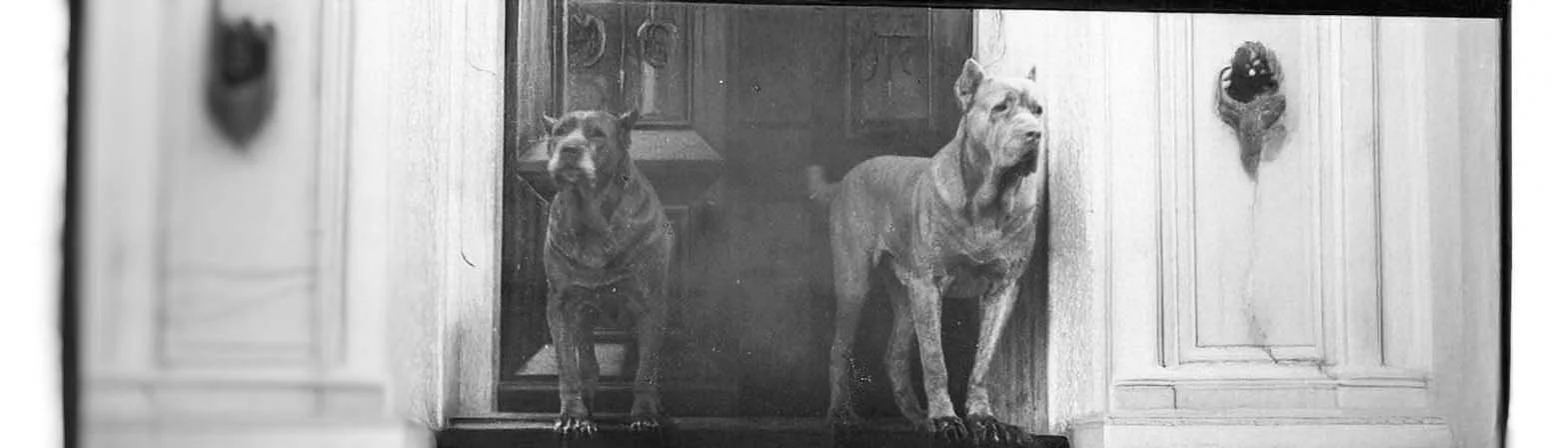
Legacy, Responsibility, and the Future
The history of the Cane Corso is not simply a story of survival. It is a record of purpose, restraint, and deliberate preservation. At every stage of its development, the breed endured because it remained useful, balanced, and trusted.
Today, the Cane Corso exists in a world very different from the one that shaped it. While its role has evolved, the traits that defined the breed have not. Strength without control, confidence without discernment, or protection without stability were never part of its design.
The responsibility now lies with those who breed, own, and represent the Cane Corso to ensure that its future reflects its past. Preservation is not achieved through numbers, fashion, or popularity, but through understanding, restraint, and informed decision-making.
To honour the Cane Corso’s history is not to romanticise it, but to protect what made the breed endure in the first place.