Degenerative neurological conditions refer to disorders in which parts of the nervous system gradually lose function over time. These conditions may affect movement, coordination, balance, strength, or reflexes, and are typically progressive rather than sudden in onset.
In large, powerful breeds such as the Cane Corso, early signs can be subtle and are often mistaken for normal ageing, stiffness, or clumsiness. Changes may develop slowly, making them easy to overlook in the early stages.
As the condition progresses, affected dogs may show increasing difficulty with mobility, altered gait, reduced awareness of limb placement, or a decline in physical control. While some neurological conditions have a genetic component, others may be influenced by age, underlying disease, injury, or environmental factors.
Early recognition and veterinary assessment are important. Prompt investigation can help rule out other causes, support appropriate management, and allow owners to make informed decisions focused on the dog’s long-term welfare and quality of life.
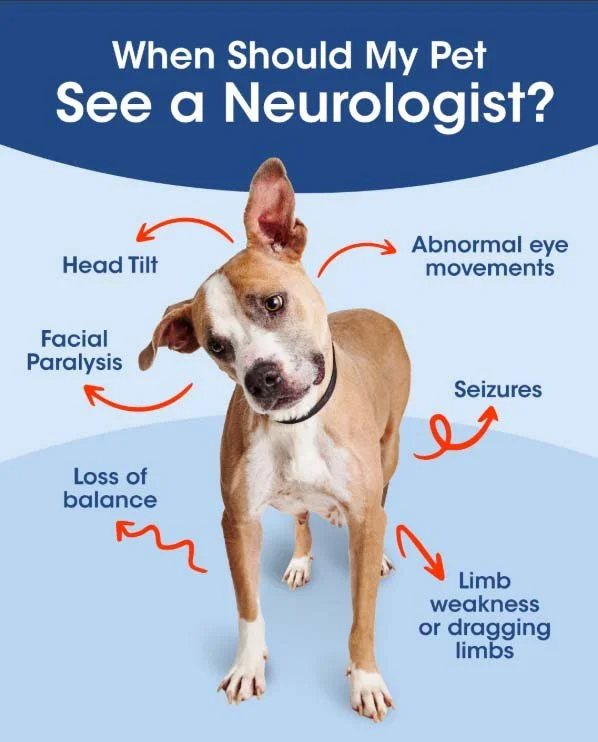
Degenerative neurological conditions
-
Symptoms
Gradual loss of coordination or balance
Weakness in one or more limbs
Changes in gait or posture
Difficulty navigating stairs or uneven ground
Reduced reflexes or delayed responses
-
There is no cure for most degenerative neurological conditions. Management focuses on:
Veterinary assessment and diagnosis
Supportive and palliative care
Physiotherapy and mobility support
Environmental adaptations for safety
Ongoing monitoring
-
Prevention options are limited, but risk management includes:
Responsible breeding decisions
Monitoring neurological health across bloodlines
Early veterinary investigation of subtle changes
Maintaining overall physical condition