Osteochondritis Dissecans (OCD)
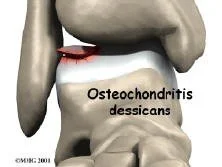
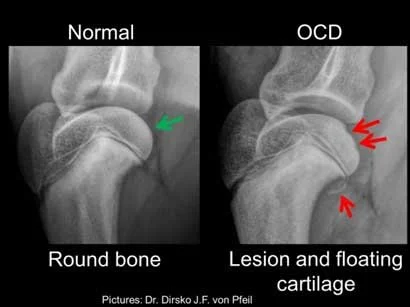
Osteochondritis Dissecans (OCD) is a developmental joint condition that affects the normal formation of cartilage within a joint. It is most commonly seen in the shoulder but can also occur in the elbow, hock, or stifle. OCD typically develops in young, growing dogs and can lead to pain, inflammation, and reduced joint function if not addressed appropriately.
-
Lameness that may worsen with exercise
Stiffness, particularly after rest
Reluctance to exercise, jump, or play
Reduced range of motion in the affected joint
Pain or discomfort on manipulation of the joint
Muscle loss around the affected limb in more advanced cases
Symptoms may appear gradually and can vary in severity depending on the joint involved and the extent of cartilage damage.
-
Treatment options depend on the severity of the condition, the joint affected, and the dog’s age and activity level.
Conservative management
Restricted and controlled exercise
Pain relief and anti-inflammatory medication as prescribed by a veterinarian
Weight management to reduce joint stress
Surgical intervention
Removal or treatment of damaged cartilage
Procedures aimed at improving joint surface healing and function
Typically recommended when lameness is persistent or severe
Rehabilitation support
Physiotherapy to restore strength and mobility
Gradual return to controlled activity following treatment
Early diagnosis improves the likelihood of a positive long-term outcome.
-
OCD cannot always be prevented, but risk can be reduced through informed breeding and careful management during growth.
Responsible breeding practices
Avoid breeding from dogs with known OCD or poor joint health
Consider overall structural soundness, not just appearance
Controlled growth and nutrition
Feed a balanced diet suitable for large, slow-maturing breeds
Avoid overfeeding and excessive supplementation
Appropriate exercise
Limit repetitive high-impact activity in growing puppies
Focus on low-impact, controlled exercise
Weight management
Maintain a lean body condition to reduce joint stress
Early veterinary assessment
Prompt investigation of lameness or stiffness during growth