Panosteitis
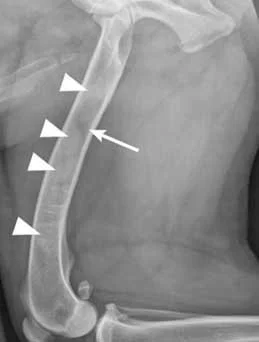
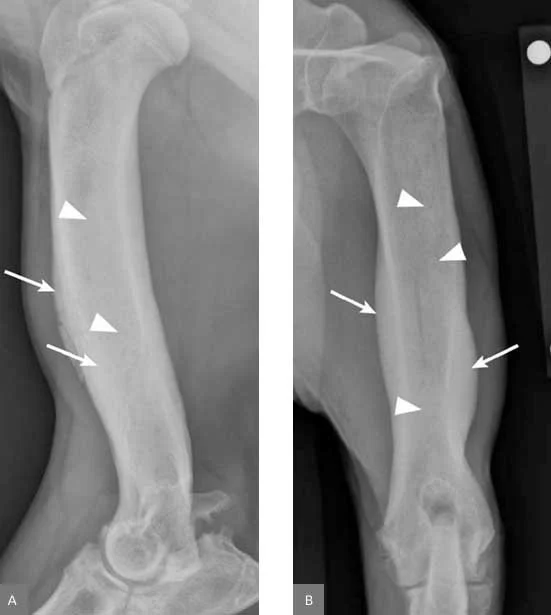
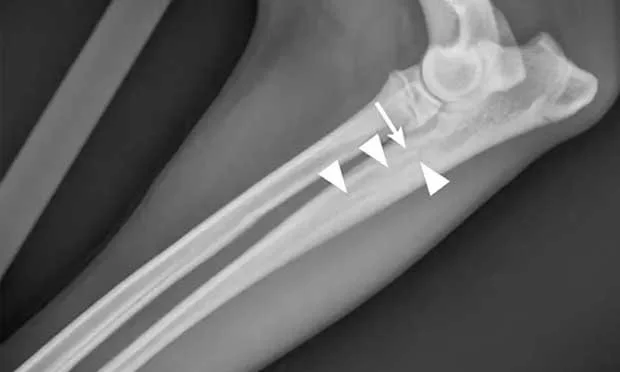
Panosteitis is a self-limiting inflammatory condition affecting the long bones of young, growing dogs. It is most commonly seen in large and giant breeds and typically occurs during periods of rapid growth. While painful, panosteitis does not cause permanent joint damage and usually resolves as the dog matures.
-
Sudden or shifting lameness, often moving from one leg to another
Pain on palpation of the long bones
Stiffness, particularly after rest
Reluctance to exercise or play
Lethargy or reduced activity levels
Occasional fever or reduced appetite
Symptoms may come and go over weeks or months and can vary in severity.
-
There is no specific cure for panosteitis, as the condition resolves naturally with time. Treatment focuses on comfort and support during flare-ups.
Pain management
Anti-inflammatory or pain-relief medication as prescribed by a veterinarian
Activity modification
Reduced exercise during painful periods
Gentle, controlled movement to maintain mobility
Monitoring
Regular veterinary review to rule out other causes of lameness
Observation for recurring episodes during growth
Most dogs recover fully with no lasting effects once growth stabilises.
-
Panosteitis cannot be fully prevented, but the risk and severity may be influenced by growth management.
Controlled growth
Feed an appropriate diet formulated for large, slow-maturing breeds
Avoid excessive calorie intake and over-supplementation
Weight management
Maintain a lean body condition to reduce stress on developing bones
Appropriate exercise
Avoid excessive or high-impact exercise during rapid growth phases
Breeding considerations
Consider family history, as some genetic influence may exist
Panosteitis can be distressing for owners, but it is important to recognise that it is temporary and manageable. Supportive care and patience are usually all that is required while the dog matures.