Spinal Issues
Spinal issues cover a range of conditions affecting the bones, discs, and nerves of the spine. In large, powerful breeds like the Cane Corso, the spine carries significant weight and force, making correct structure, growth, and conditioning especially important.
Some spinal conditions are developmental, others are degenerative or injury-related, and many are influenced by growth rate, body condition, and overall management during puppyhood and adulthood.
Lumbosacral Disease (Degenerative Lumbosacral Stenosis)
A condition where the lower spine narrows and compresses nerves.
Common in large, powerful breeds
Can cause hind limb weakness, pain, and reluctance to jump
Often develops gradually with age or heavy work
Weight and conditioning play a significant role
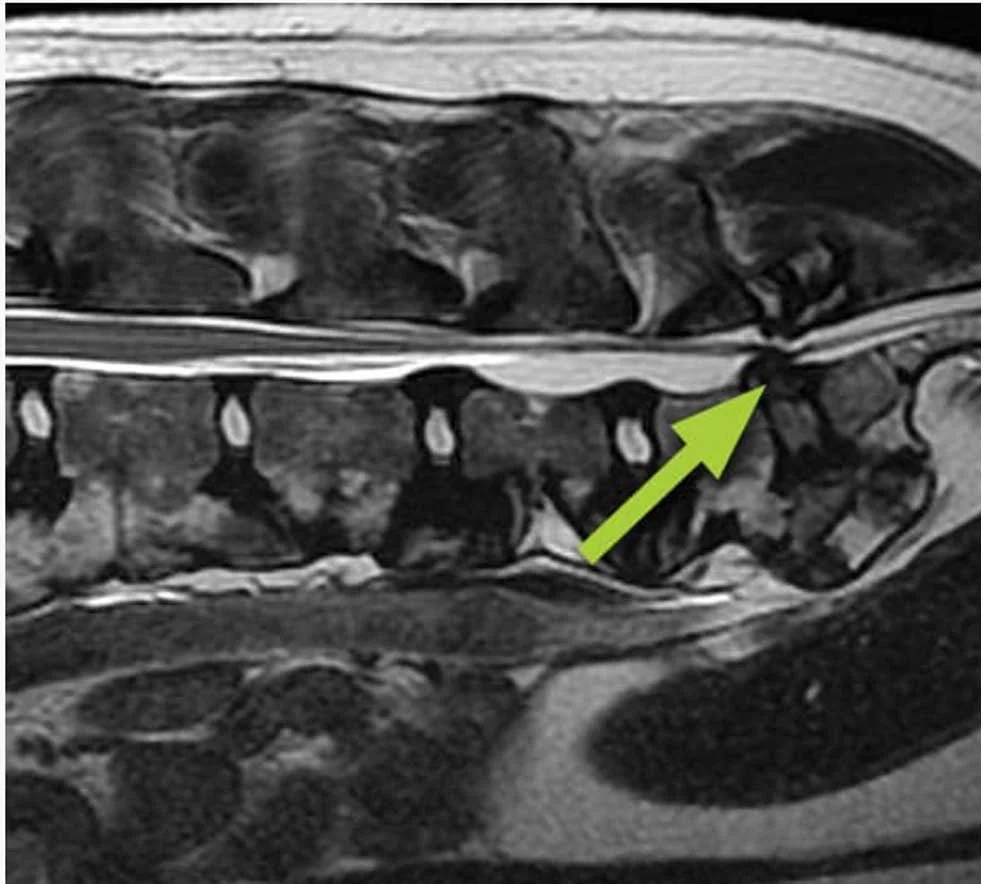
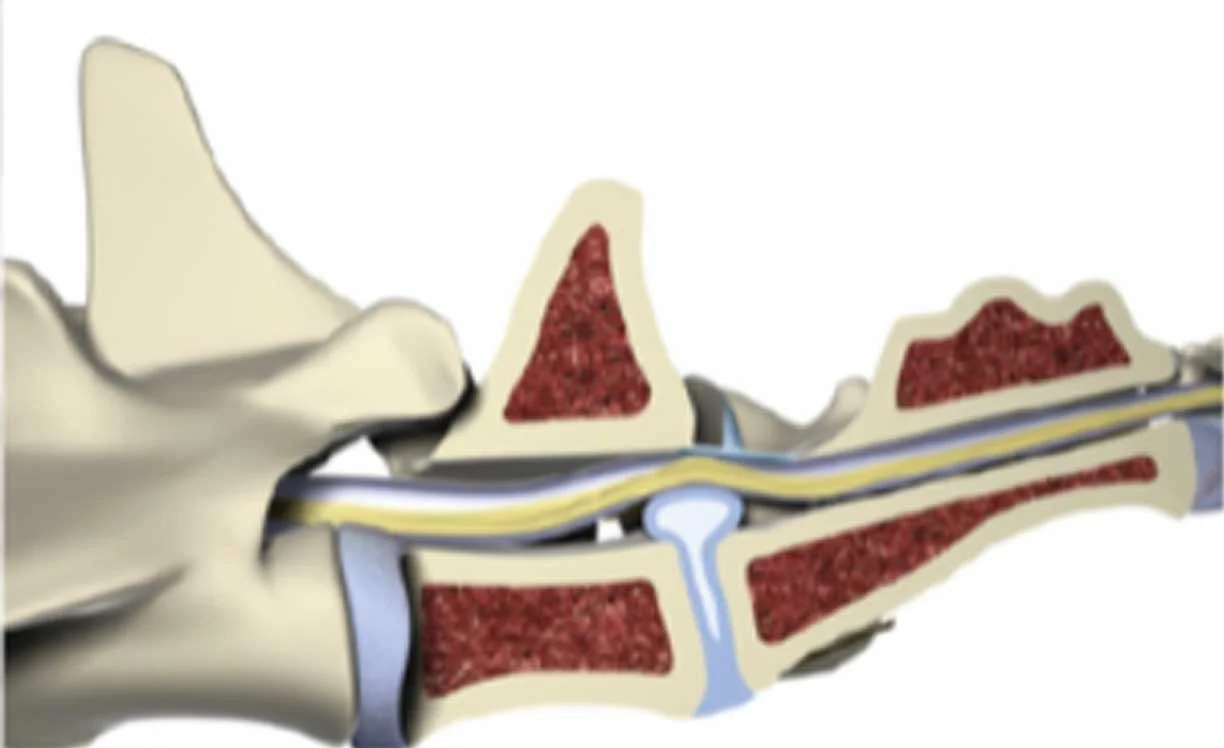
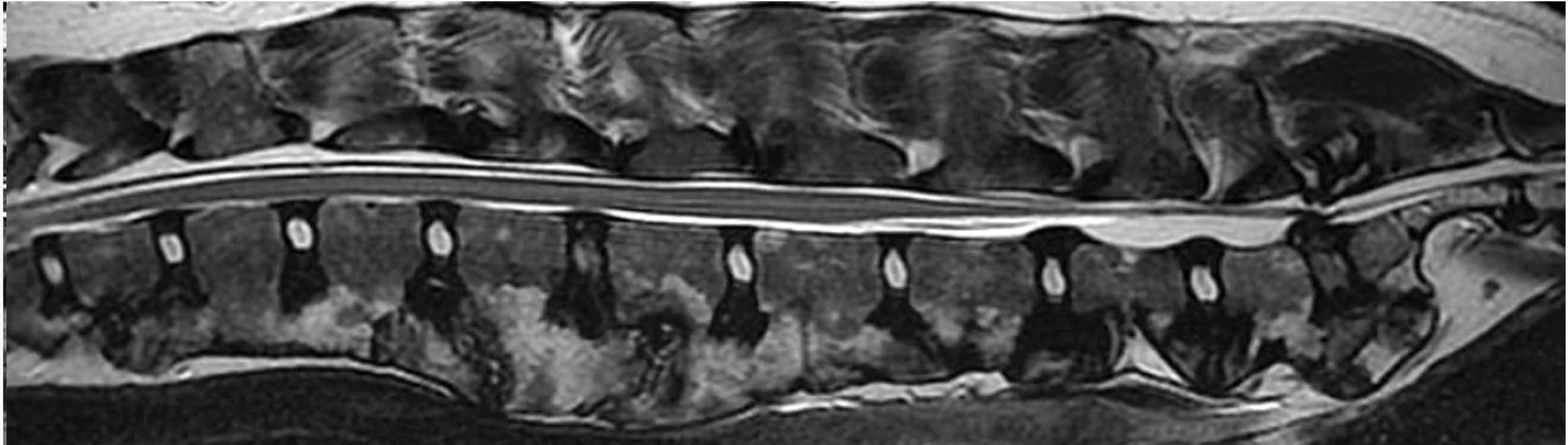
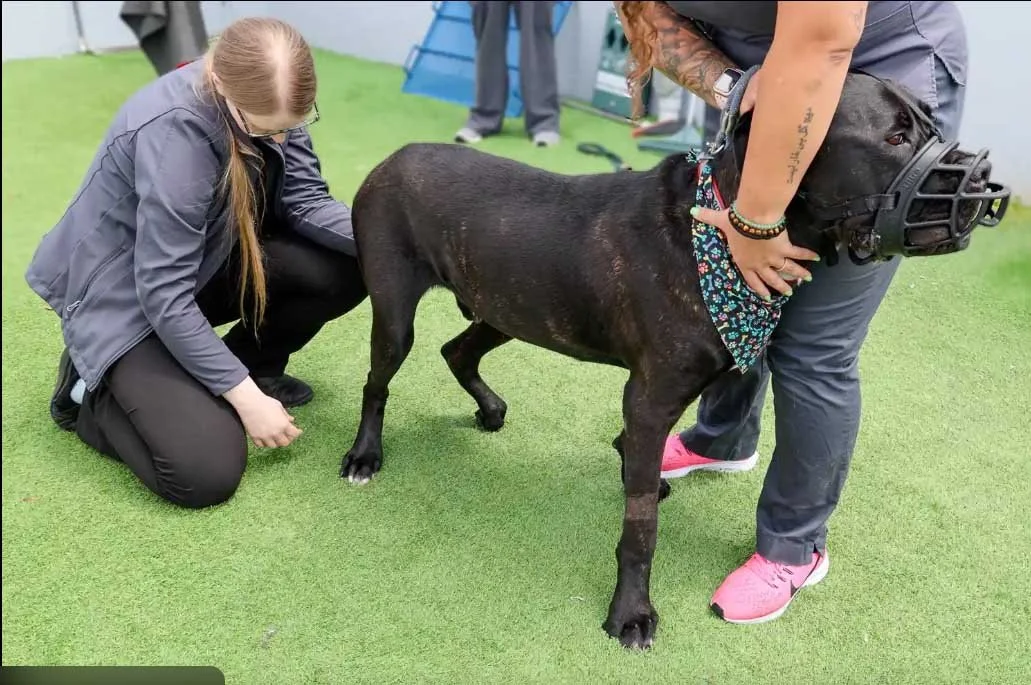
Lumbosacral Disease (Degenerative Lumbosacral Stenosis)
-
Stiffness or pain in the lower back or hips
Reluctance to jump, climb stairs, or get into vehicles
Hind limb weakness or reduced drive from the rear
Changes in gait, including a shortened stride
Sensitivity when the lower back is touched
Reduced stamina or reluctance to exercise
In more advanced cases, neurological signs affecting the hind limbs
Symptoms often develop gradually and may worsen with age, workload, or increased body weight.
-
Treatment is based on severity and progression of the condition:
Veterinary assessment and diagnostic imaging where required
Pain relief and anti-inflammatory medication
Controlled exercise to maintain mobility without overloading the spine
Physiotherapy and targeted strengthening of core and hindquarter muscles
Weight management to reduce pressure on the lumbosacral joint
Surgical intervention in severe cases where nerve compression significantly affects function
Early intervention can slow progression and improve comfort.
-
There is no absolute cure for degenerative lumbosacral disease. However, many Cane Corsos live comfortable, active lives with appropriate management.
Long-term condition management rather than one-off treatment
Ongoing weight control and conditioning
Adjusted exercise routines to avoid excessive strain
Regular veterinary monitoring to manage pain and mobility
With correct care, progression can often be slowed and quality of life maintained.
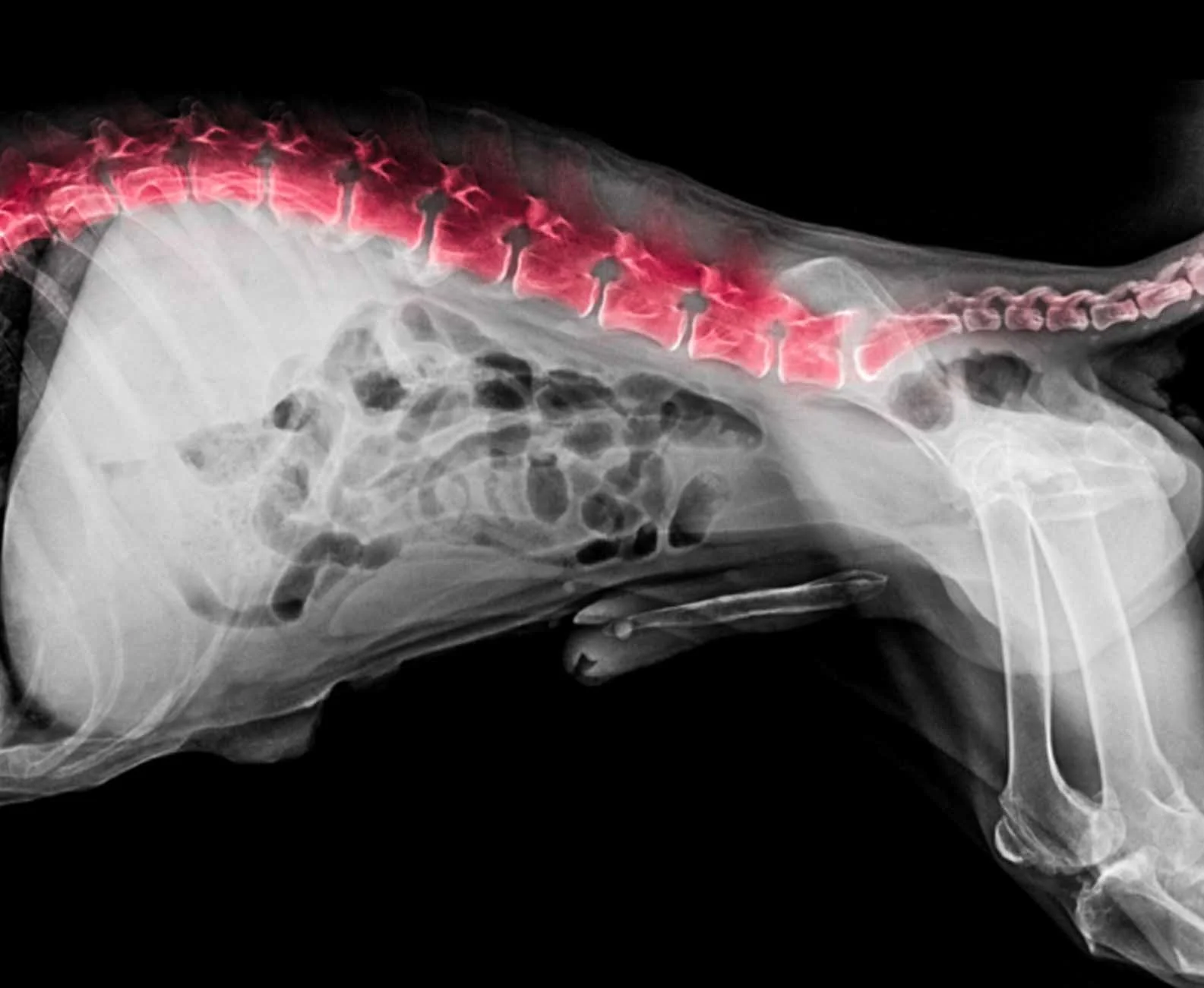
Spondylosis Deformans
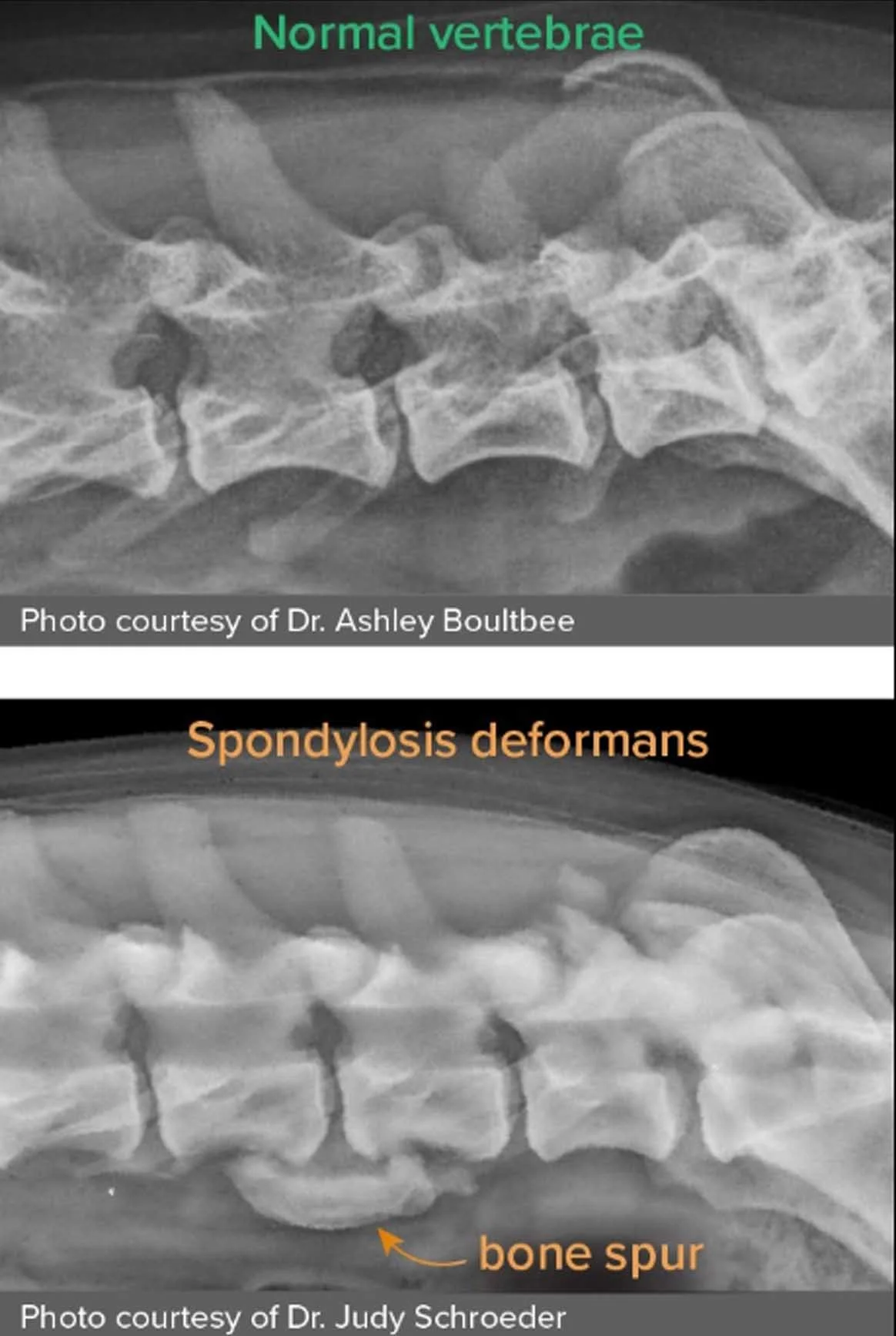
Spondylosis deformans is a degenerative condition of the spine where bony spurs form along the edges of the vertebrae. It is commonly associated with ageing and wear on the spinal joints and is frequently seen in large, heavy-boned breeds such as the Cane Corso.
In many cases, spondylosis is an incidental finding and does not cause clinical symptoms. However, in more advanced cases, it can contribute to stiffness, discomfort, or reduced flexibility.
-
Mild to moderate stiffness, particularly after rest
Reduced flexibility through the back
Reluctance to stretch, jump, or engage in vigorous activity
Subtle changes in movement or posture
Discomfort when the spine is manipulated
In many dogs, no visible symptoms at all
Symptoms, when present, usually progress slowly.
-
Treatment focuses on maintaining comfort and mobility:
Veterinary assessment to confirm diagnosis
Pain relief or anti-inflammatory medication if discomfort is present
Physiotherapy to support flexibility and muscle strength
Controlled, low-impact exercise to maintain mobility
Weight management to reduce spinal load
Surgical intervention is rarely required for spondylosis alone.
-
Spondylosis is largely age-related and cannot always be prevented, but good management can reduce its impact:
Maintaining a healthy body weight throughout life
Regular, appropriate exercise to support spinal flexibility
Avoiding repetitive high-impact activity
Supporting joint health through responsible conditioning
Breeding decisions that prioritise overall structure and longevity
For Cane Corsos, steady conditioning and weight control are key to minimising age-related spinal changes.
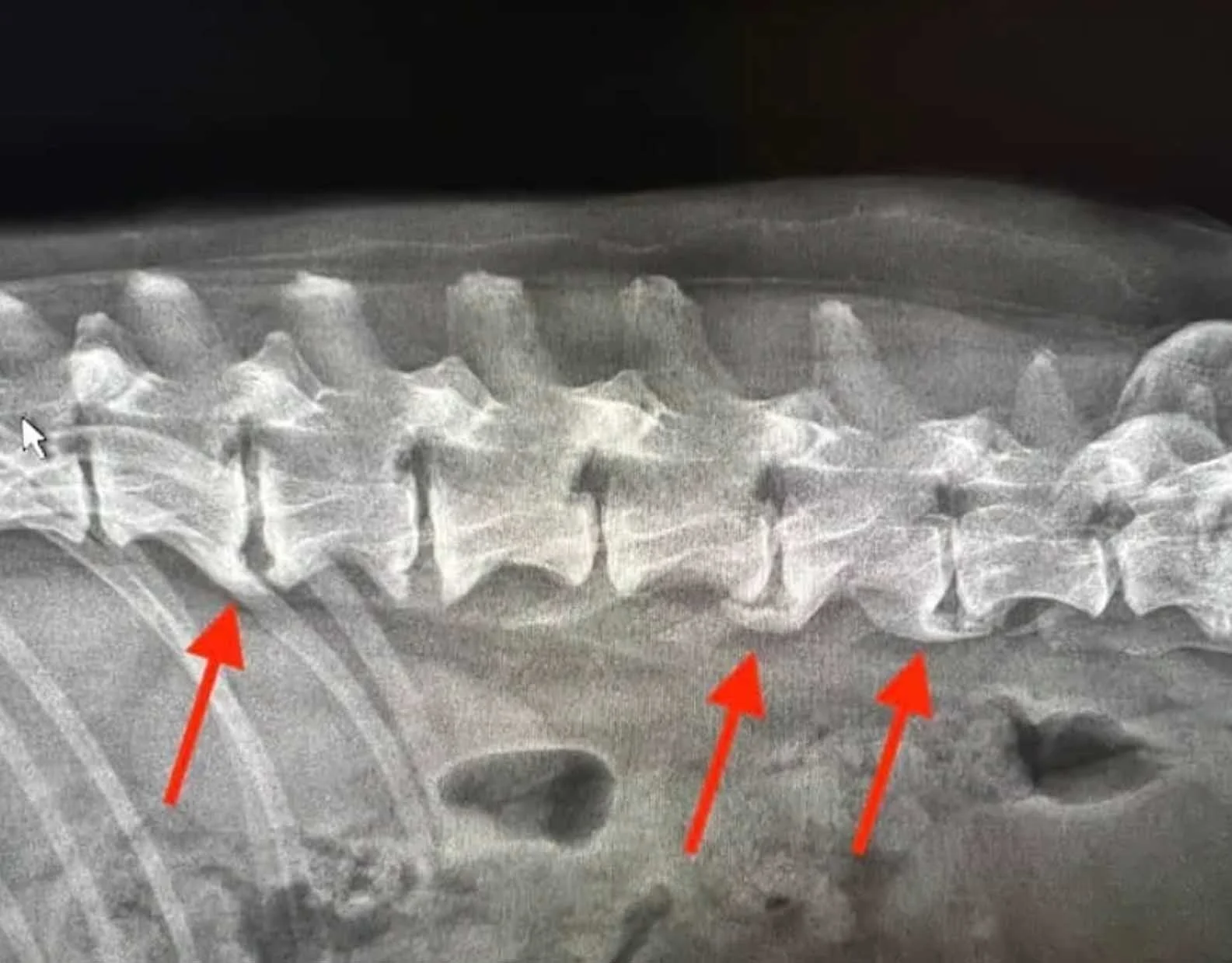
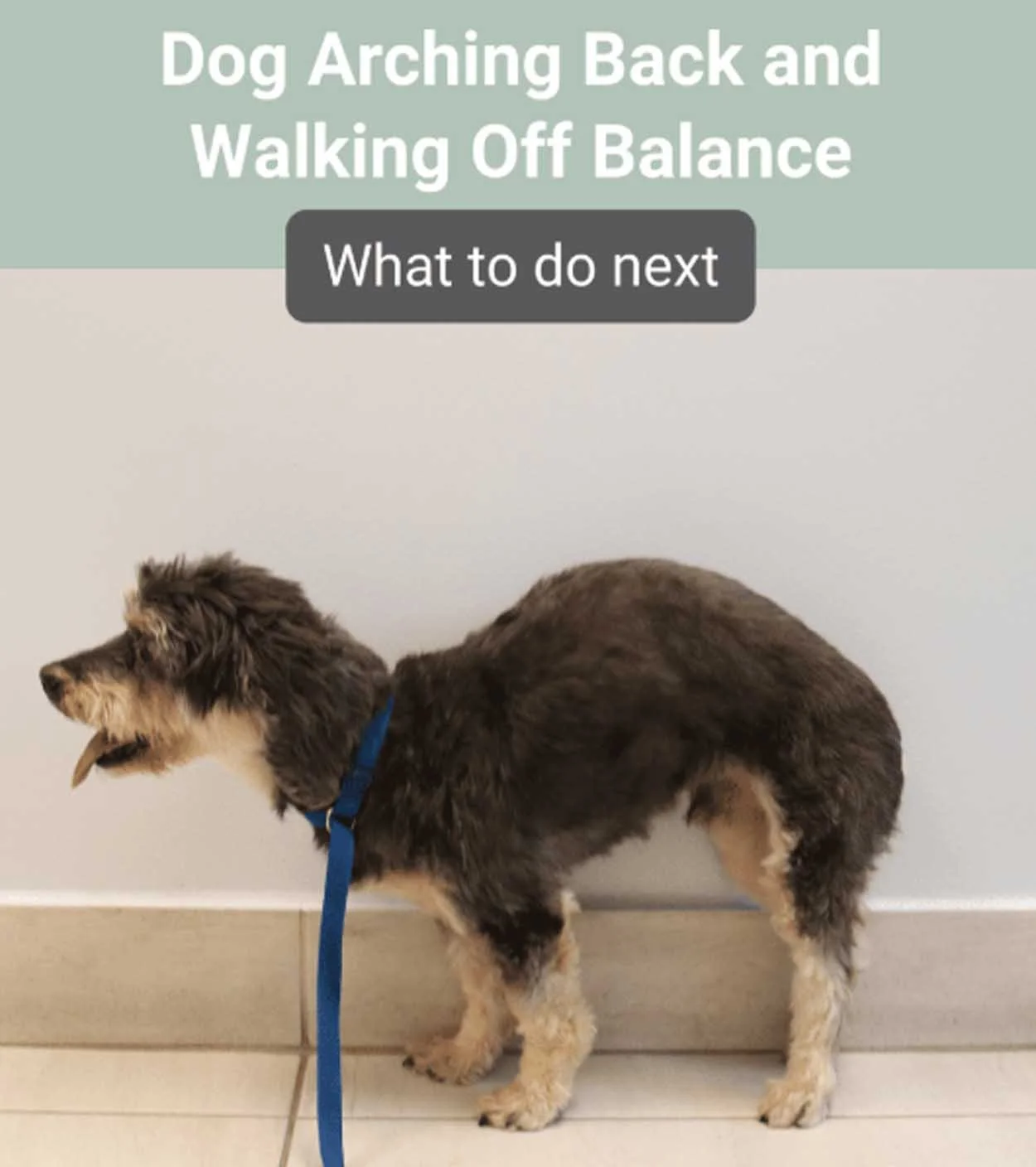
Spinal Injury
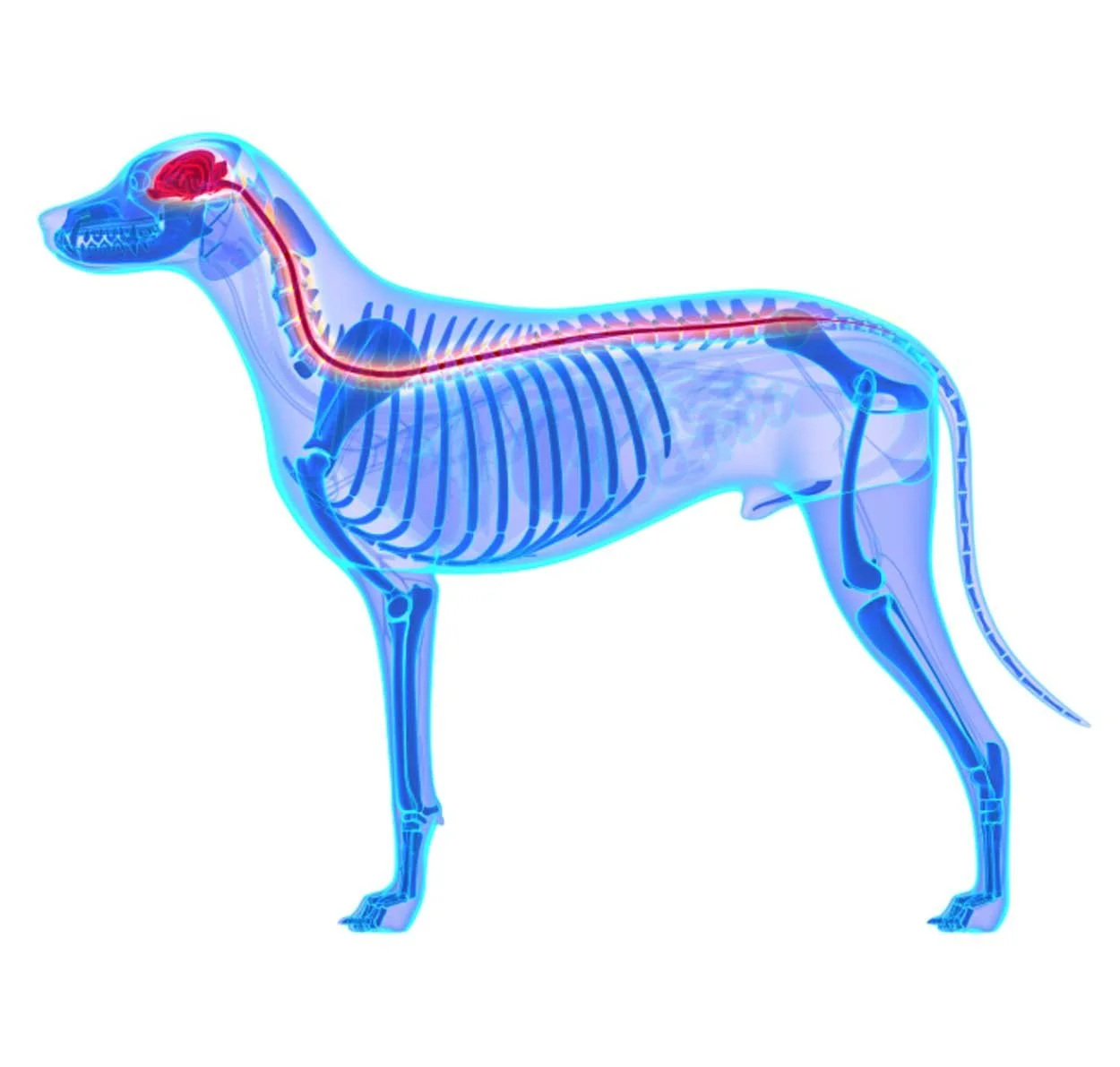
Spinal injury refers to damage to the bones, discs, or nerves of the spine caused by trauma or excessive force. In large, powerful breeds such as the Cane Corso, spinal injuries most commonly occur due to falls, uncontrolled jumping, collisions, or high-impact activity.
Injuries can range from mild soft tissue damage to more serious trauma affecting spinal stability or nerve function.
-
Symptoms
Sudden onset of back or neck pain
Stiffness or reluctance to move
Crying out or signs of discomfort when handled
Weakness in one or more limbs
Altered gait or loss of coordination
Difficulty standing, walking, or rising
In severe cases, neurological signs such as dragging limbs or loss of balance
Spinal injuries can present immediately or worsen over hours following trauma.
-
Treatment
Treatment depends on the severity and location of the injury:
Immediate veterinary assessment following trauma
Restricted movement and rest to prevent further injury
Pain relief and anti-inflammatory medication
Imaging such as X-rays, CT, or MRI where indicated
Physiotherapy and controlled rehabilitation once stable
Surgical intervention in cases involving spinal instability or nerve compression
Prompt treatment is critical to protect neurological function.
-
Prevention
While accidents cannot always be avoided, risk can be reduced through sensible management:
Avoiding excessive jumping, especially during growth
Managing environments to reduce slips and falls
Controlled exercise suited to the dog’s age and conditioning
Preventing uncontrolled high-impact activity
Maintaining good muscle strength to support the spine
For Cane Corsos, power must be managed carefully. Strength without control increases injury risk.